Independent heritage and digital-office initiative · awaiting institutional review
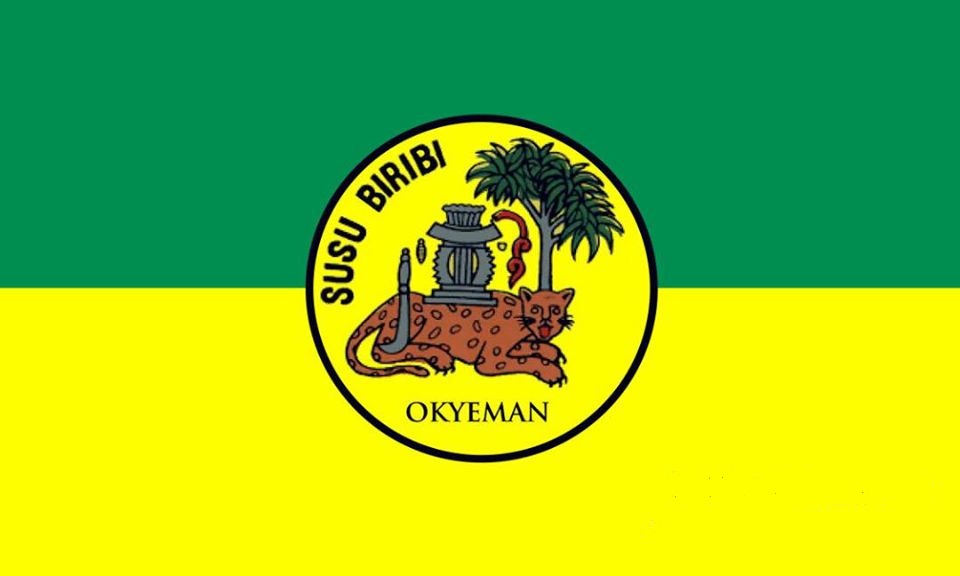 Ofori Panin FieOkyeman digital archive initiative

Kyebi · Akyem Abuakwa · Eastern Region, Ghana
Okyeman’s living record.
A digital foundation for the history, governance, culture and public work of Ofori Panin Fie—built around evidence, custodial review and lasting institutional memory.
Source status on every record Designed for researchers and custodians
An institutional platform, not a brochure
One organised place for public records, scholarship, oral history and living culture.
The platform separates evidence from interpretation. It can grow through authorised statements, digitised archives, reviewed royal profiles, community records, festival documentation and research contributions.

The current Okyenhene
Osagyefuo Amoatia Ofori Panin
Enstooled on 4 October 1999 and identified in 2024 Silver Jubilee reporting as the 35th occupant of the Ofori Panin Stool.
- Institutional seat
- Ofori Panin Fie, Kyebi
- Public record focus
- Education, environmental stewardship and development advocacy
- Evidence
- University of Ghana patron profile; Graphic, 21 May 2024

Ceremony and public memory
The archive must record more than names and dates.
Royal gatherings preserve evidence of office, regalia, performance, service, community participation and relationships between generations. This photograph is presented as a contemporary visual record while its precise event, date, participants and usage rights are prepared for formal cataloguing.
PeopleIdentification pendingOccasionAwaiting official captionRightsDocumentation requested
Latest official statements
Publication begins with authority.
No statement is labelled “official” until supplied or approved by the Office. This preview shows the production standard, not invented announcements.
Official statement feed awaiting authorised records
Each future release will carry a publication date, office owner, full text, downloadable file, citation and revision history.
Search Okyeman
Begin with a record.
Search the seeded institutional index, then follow each item into its evidence, status and open questions.
5 records
Institution
Public-source verified Ofori Panin Fie
Traditional palace and institutional seat of the Okyenhene at Kyebi.
Royal profile
Public-source verified Osagyefuo Amoatia Ofori Panin
Current Okyenhene, enstooled on 4 October 1999.
Governance
Under palace review Divisions of Okyeman
Five named main divisions; seven contemporary slots under evidence review.
Culture
Under palace review Ohum Festival
Harvest, thanksgiving, remembrance and renewal in Akyem Abuakwa public records.
Research
Public-source verified Akyem Abuakwa, 1700–1943
Robert Addo-Fening’s foundational institutional history.
Divisions and towns
Evidence made visible.
Five main divisions are named consistently in current public reporting: Adonten, Benkum, Nifa, Oseawuo and Gyaase. Scholarly and contemporary sources also refer to seven divisions; the two additional names remain pending official confirmation.
Explore the directory- 01Adonten · Kukurantumi
- 02Benkum · Begoro
- 03Nifa · Asiakwa
- 04Oseawuo · Wenchi
- 05Gyaase · Kwabeng
- 06Name pending official register
- 07Name pending official register
Royal history
A research timeline, not a legend repeated as fact.
Origins and state formation
Akyem Abuakwa identity is connected in historical writing and oral tradition to Asona ancestry, Adanse and migration across the Pra. Details vary between oral accounts and later written histories.
Under palace review · S01Ofori Panin and consolidation
Robert Addo-Fening’s major study uses Ofori Panin as the starting point for its documented history of Akyem Abuakwa. Exact early chronology should be checked against the palace register.
Public-source verified · S01Regional power and resettlement
Written histories place Akyem Abuakwa within the changing political, military and commercial landscape of southern Ghana. Settlement narratives, capitals and precise sequences must be read beside stool traditions.
Public-source verified · S01Nana Afia Dokuaa
Public historical compilations identify Nana Afia Dokuaa as the woman who occupied the Ofori Stool in the early nineteenth century. Her military and diplomatic record requires comparison of scholarship, oral history and palace evidence.
Under palace review · S01, S10Amoako Atta I and the colonial encounter
The surviving written and photographic record connects Amoako Atta I with missionary engagement, colonial pressure, exile and return. Basel Mission images provide rare visual evidence from this period.
Public-source verified · S01, S06, S11Nana Sir Ofori Atta I
Scholarship and archival collections document a period of major institutional change associated with education, administration, customary law, representation and statecraft under Nana Sir Ofori Atta I.
Public-source verified · S01, S08, S09, S12, S13Post-war and independence-era transitions
The succession record spans the first and second periods attributed to Nana Ofori Atta II, the reigns attributed to Nana Amoako Atta IV and Nana Ofori Atta III, and regency entries that require formal register review.
Under palace review · S14, S15, S18Osagyefuo Kuntunkununku II
Public records describe a medically trained Okyenhene whose reign intersected with national public service and institutional development. A Palace-approved biography and programme archive are still needed.
Under palace review · S16, S17Contemporary Okyeman
Osagyefuo Amoatia Ofori Panin was enstooled on 4 October 1999. Public records highlight education, environmental stewardship and institutional development during his reign.
Public-source verified · S03, S04
New in the public archive
Okyenhene at Akuapem Odwira @200.
Public festival coverage records Osagyefuo Amoatia Ofori Panin’s visit to Akropong for the bicentenary Odwira grand durbar. The archive now links the arrival footage, the Ofori Panin–Ofori Kuma reunion livestream and contemporary festival scenes.
Research record only. Formal Palace caption, participant identification and reuse authorization remain pending.View photographs and film Robertjamal12 · CC BY-SA 4.0 · caption under Palace review
Festival, film and gallery archive
Living culture belongs in the record.
Explore 18 catalogued images, a curated festival guide, historical photographs and externally hosted public videos. Every item carries provenance, rights and review status.
For researchers, families and custodians
Four ways into the archive.
Use the bibliography and evidence IDs to trace a claim. Unverified information is presented as a question, never promoted to fact.
01
Royal succession
Names, stool order, variants, reign chronology and succession sources.
02Governance and divisions
The five named main divisions and unresolved contemporary seven-division references.
03Festival and cultural life
Ohum, durbars, state symbolism, ritual terminology and visual records.
04Bibliography and archives
Books, articles, institutional records, image rights and open research questions.
Records and research
Help strengthen the public record.
Researchers, families and custodians can trace the evidence register, identify gaps and prepare documented corrections for institutional review.
Build the archive responsibly
Research, digitisation and preservation need partners.
Funding conversations may begin while the platform is being populated, with transparent governance and without implying Palace authorization. No official donation channel is currently published.